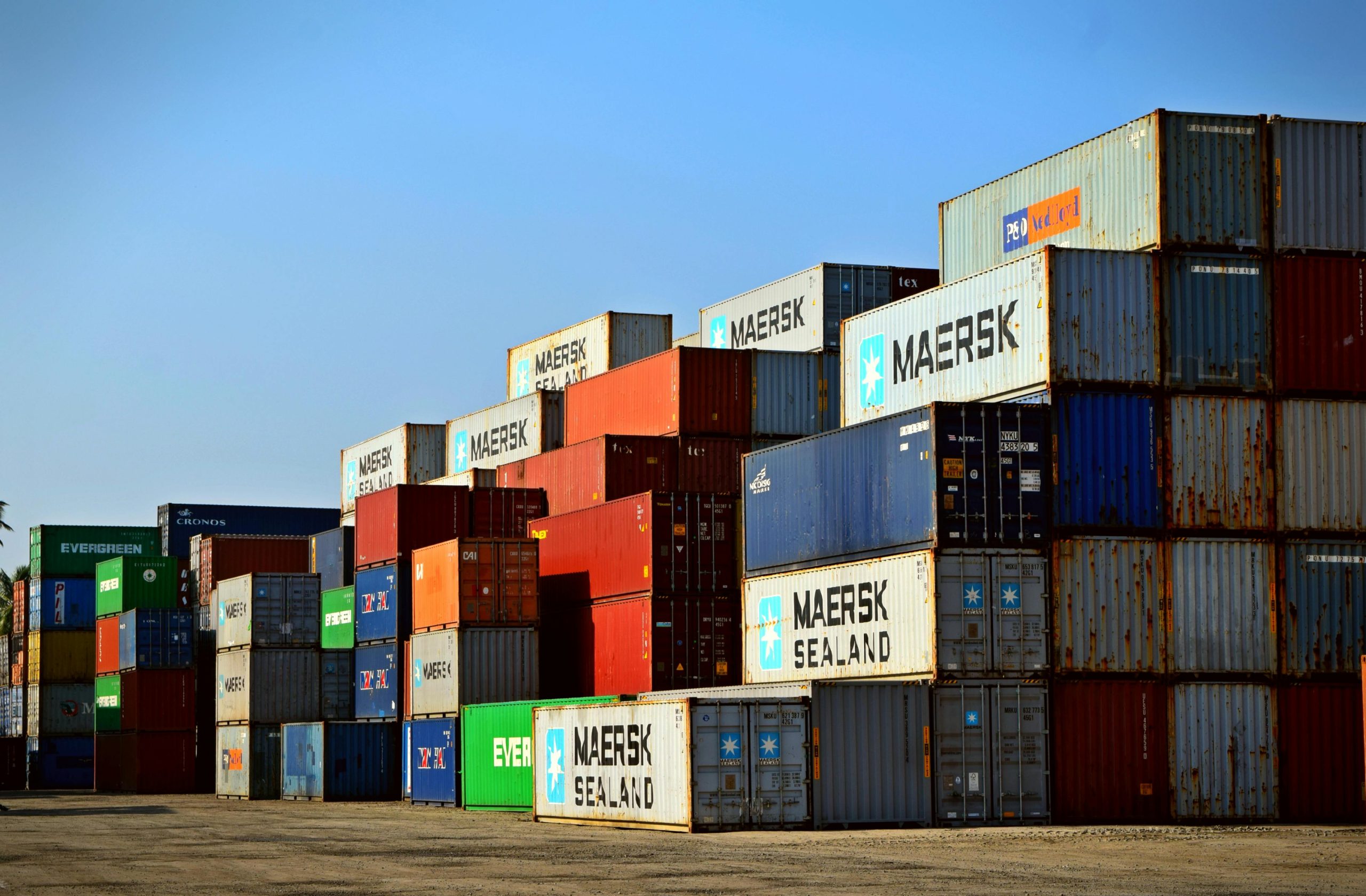
Because they are revolutionizing fleet operations for companies and enhancing sustainability, efficiency, and reliability, modern logistics solutions are crucial for the transportation of goods.
The Evolution of Fleet Management
Fleet management has changed significantly in the last few decades due to the introduction of automated systems and advanced tracking systems. These tools help companies optimize fuel-efficient routes, solve problems quickly, and manage their fleets more effectively. Additionally, software platforms offer comprehensive analytics that assist fleet managers in identifying potential maintenance issues early on and reducing repair costs and downtime. Better decision-making, cost reductions, and service levels have led to the establishment of new industry standards.
Enhancing Operational Efficiency through Telematics
A game-changing technology in fleet operations is telematics, which integrates informatics and telecommunications to send, receive, and store data about far-off objects like cars. Fleet managers can monitor metrics like fuel consumption, speed, driver behavior, and engine diagnostics thanks to it. This technology improves operational efficiency and enables real-time tracking for timely vehicle redirection by decreasing idle time and fuel consumption. By identifying and correcting risky driving behaviors, it also ensures compliance with legal requirements and enhances safety.
The Role of Big Data and Analytics
By analyzing the vast amounts of data generated by modern automobiles and management systems, big data and analytics are essential to transforming fleet operations. Advanced tools that process and analyze this data help fleet managers track key performance indicators (KPIs) and identify areas for improvement. The ability of predictive analytics to anticipate potential issues, such as engine failures, enables proactive maintenance. Route optimization algorithms look at past traffic patterns and current conditions to optimize routes, save fuel, and increase delivery rates.
Sustainability in Fleet Operations
Sustainability is now a major focus of fleet operations. Businesses are under increasing pressure to reduce their environmental impact without compromising productivity. This balance can be achieved in a number of ways using modern logistics solutions. For instance, many fleets are using more and more electric and hybrid vehicles, which produce fewer emissions than traditional diesel engines. Telematics and route optimization, which also contribute to lower fuel consumption, further reduce the carbon footprint.
The adoption of eco-driving initiatives is another crucial element. These programs teach drivers how to reduce idling, maintain constant speeds, and accelerate smoothly—all of which encourage more fuel-efficient driving. Using performance metrics, fleet managers can also monitor and incentivize environmentally friendly driving practices. Additionally, using alternative fuels like compressed natural gas (CNG) or biodiesel opens up more ways to cut emissions. By emphasizing sustainability, businesses not only meet environmental standards but also enhance their reputation and save money over time.
Integration of IoT Devices in Fleet Management
The Internet of Things (IoT) is revolutionizing fleet management by providing unprecedented levels of connectivity and data exchange. IoT devices embedded in vehicles enable real-time monitoring of various parameters, such as fuel levels, tire pressure, engine health, and location. This constant stream of data allows fleet managers to have a comprehensive view of their operations at all times.
One of the critical benefits of IoT integration is predictive maintenance. Sensors can detect subtle changes in vehicle performance, signalling the need for maintenance before a problem becomes severe. This proactive approach minimizes breakdowns and extends the lifespan of the fleet. Additionally, IoT devices can enhance route planning by providing real-time traffic updates and suggesting alternative routes to avoid delays. They also improve safety by monitoring driver behavior and providing alerts for dangerous actions, such as rapid acceleration or hard braking. The integration of IoT in fleet management leads to smarter, more responsive, and highly efficient operations, driving a new era of innovation in the logistics industry.
Conclusion
The transformation of fleet operations through modern logistics solutions is a multifaceted evolution driven by technological advancements. From the integration of telematics to the strategic application of big data and analytics, each innovation contributes to making fleet management more efficient, reliable, and sustainable. The adoption of electric and hybrid vehicles, along with eco-driving programs, underscores the industry’s commitment to environmental stewardship.
Furthermore, by offering real-time data and predictive maintenance capabilities, the deployment of IoT devices further improves operational efficiency. Businesses can reduce downtime, optimize routes, guarantee driver safety, and stay in compliance with regulations thanks to these technological solutions. There are numerous advantages, such as lower expenses, less of an adverse effect on the environment, and higher service standards..
As fleet operations continue to evolve, companies must remain adaptable and forward-thinking, leveraging these innovative solutions to maintain competitiveness. Ultimately, the integration of modern logistics solutions positions businesses to meet the demands of a rapidly changing market while fostering a sustainable future. Embracing these advancements is not just about staying current; it’s about forging a path toward operational excellence and long-term success.